Dr. Ananda Bormudoi
Issue: Vol. V, No. 1, May-July, 2026
Assamese writers and critics do not have any theory of their own which may provide the critics with fundamental assumptions with which a critic may begin with while evaluating a work of literature. A few writers like Bezbaroa and Jyotiprasad, however, did some critical thinking which they expressed in their creative work. Bezbaroa’s poem ‘Kavita’ included in Kadamkali is one such. The poet tells us what poetry is made of. He gives us a list of themes for poetry or subjects for poetic composition.
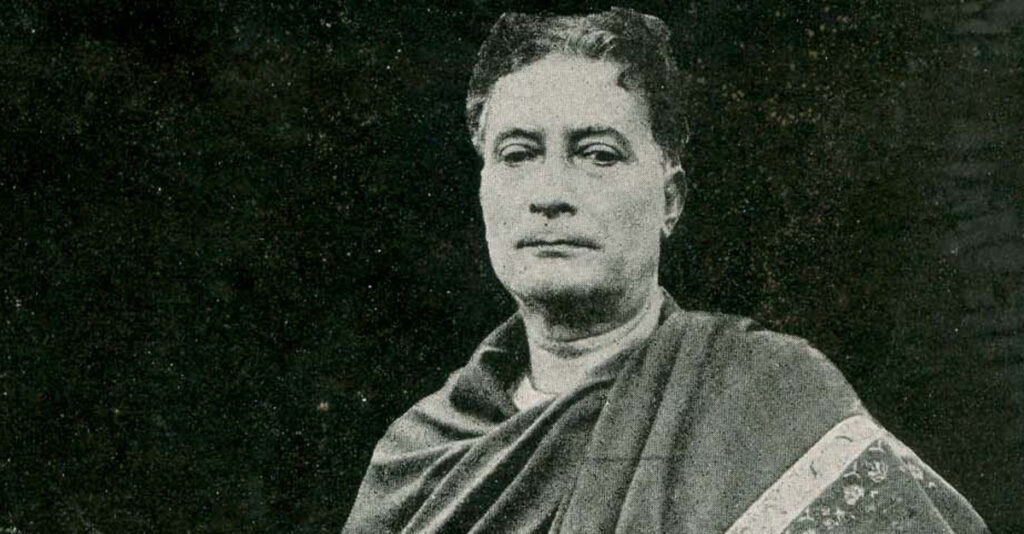
Bezbaroa’s critical thinking on poetic stuffs begins with sorrows, sufferings, sighs, tears and emotional crisis. Bezbaroa is known for wit, humour and fun. He is one who makes us laugh and his humour is free from malice. He is always bright, optimistic and radiant. And yet, when he comes to theorise poetry and to define what it is made of, he begins with sorrows, sufferings, the heartbreaks of the unsheltered like the poor widows. He has not completely ruled out smiles and happiness, but he calls them ephemeral, an occasional episode in a general drama of pain and suffering. The transience of happiness is conveyed to the readers in different terms chosen from the world of nature. They are like sweetness and fragrance of a rose that blossoms forth. A smile is contrasted with sorrows in the way light is contracted with darkness.
The world of nature somehow corresponds to the world of man in the poem. The burning and scorching heat of the sun is contrasted with soothing moonlight or the musical flow of water of a mountain spring or a river. The warbling of water brings in the image of a warbling baby. The image of the warbling baby sublimates what is sweet and ephemeral in the world of man. Bezbaroa can at once transmute the commonplace into mythic height. Poetry draws in from the song of the cuckoo and the strain of the veena. It also celebrates the graceful modesty of the beautiful maid whose grace can be compared to the jasmine wet in the morning dew. The Fragrant Screw Pine, and especially one, the pollen of which is not carried away either by the wind on any insect, can be celebrated in poetry.
The poet transforms into poetry wealth and beauty that nature is endowed with. Bezbaroa concludes by saying that the poet throws over the wealth of nature a certain colouring of imagination, whereby ordinary things should be presented to the mind in an unusual aspect.
Also read: The Poet’s Poet by Dr. Ananda Bormudoi
Also read: Poetry of Sufferings by Dr. Ananda Bormudoi
Also read: The Need of Assamese Literary Critics by Dr. Ananda Bormudoi